
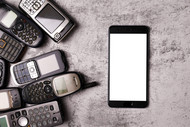
Snapshot
- Refurbished wholesale phones now make up over 35% of global B2B smartphone trade.
- Used phone wholesale lots deliver the highest margins but require careful grading and certification.
- New phones retain brand appeal but offer slimmer profit margins (5–8%).
- Refurbished stock balances reliability, warranty coverage, and mid-tier ROI.
- IMEI verification and professional diagnostics protect brand trust and resale value.
- Todays Closeout supplies all three categories—each verified, graded, and priced for strategic profit.
Executive Summary
The modern wholesale smartphone market thrives on diversity. Distributors and resellers rarely specialize in one category; instead, they blend new, refurbished, and used phone wholesale lots to balance risk, margin, and buyer appeal.
Each category offers unique advantages. New devices attract premium enterprise clients and early adopters. Refurbished wholesale phones deliver predictable quality and extended warranties, ideal for corporate deployments. Used phones—if properly graded—yield unmatched profit potential in resale markets.
This deep-dive report from Todays Closeout outlines a complete category strategy: profitability comparison, sourcing models, certification standards, and the buyer psychology behind each class.
Table of Contents
- The Three Pillars of Wholesale Inventory
- Profitability Breakdown by Category
- Quality Control and Certification Standards
- Market Demand and Buyer Psychology
- Strategic Sourcing: Where to Buy Each Category
- Todays Closeout: Category Integration for Profit Optimization
- FAQs
The Three Pillars of Wholesale Inventory
The global smartphone supply chain operates on three primary inventory categories—each essential for building a complete product portfolio.
1. New Phones
These are factory-sealed, unused devices sourced directly from OEMs, carriers, or authorized distributors.
- Condition: Brand-new, original packaging, full warranty.
- Typical Buyers: Retailers, enterprise clients, and carriers.
- Use Case: Enterprise rollouts, government procurement, and brand-loyal consumers.
- Risk Level: Low.
- Margins: 5–8%.
2. Refurbished Phones
Refurbished wholesale phones are pre-owned devices professionally restored to “like-new” condition by certified refurbishers or OEMs.
- Condition: Fully tested, replaced parts as needed, repackaged with warranty.
- Typical Buyers: SMBs, resellers, value-driven enterprises.
- Use Case: B2B deployments, resale in developing markets, retail chain replenishment.
- Risk Level: Medium.
- Margins: 15–25%.
3. Used Phones
Used phone wholesale lots consist of previously owned devices sold “as-is” or lightly tested, often from trade-in or carrier liquidation programs.
- Condition: Varies by grade (A/B/C).
- Typical Buyers: Refurbishers, recyclers, secondary-market resellers.
- Use Case: Parts recovery, refurb resale, low-cost export.
- Risk Level: Higher.
- Margins: 25–40%.
Each category fills a critical segment in the value chain—from brand-new corporate deployments to secondary refurbishing economies.
Profitability Breakdown by Category
1. Margin Comparison
|
Category |
Avg. Purchase Cost (per unit) |
Avg. Resale Price |
Profit Margin |
Turnover Speed |
|
New |
$700–$950 |
$750–$1,000 |
5–8% |
Fast |
|
Refurbished |
$250–$450 |
$300–$600 |
15–25% |
Medium |
|
Used |
$100–$250 |
$150–$400 |
25–40% |
Slower |
New phones are capital-intensive, requiring high liquidity but fast turnover.- Refurbished stock offers the best balance between liquidity and return.
- Used devices maximize ROI when properly graded and reconditioned before resale.
2. ROI and Cash Flow
- New: Predictable but limited ROI; dependent on brand cycles.
- Refurbished: Steady cash flow; consistent B2B demand.
- Used: Opportunistic ROI; requires efficient testing and sorting workflows.
3. Risk and Reward
Refurbished phones remain the “sweet spot” for wholesalers seeking reliability with scalable margin. The key is sourcing from certified refurbishers and maintaining transparent grading standards.
Quality Control and Certification Standards
Buyers today expect consistency, regardless of category. Certified testing and grading systems ensure trust and repeat business.
1. Condition Grading Framework
|
Grade |
Description |
Common Source |
|
A+ / New |
Factory-sealed, zero usage |
OEMs, carriers |
|
A |
Like new, minimal wear |
Certified refurbishers |
|
B |
Light cosmetic wear, fully functional |
Refurbished or tested used |
|
C |
Noticeable wear, may need minor repairs |
Carrier liquidation |
|
D |
For parts or recycling |
Salvage programs |
2. Refurbishment Certification
Certified refurbishers follow industry standards such as:
- R2v3 or e-Stewards environmental compliance.
- PhoneCheck or Blancco diagnostics.
- OEM-grade components (batteries, screens).
- Clean IMEI verification and data erasure.
3. Used Device Verification
For used phone wholesale lots, wholesalers should demand:
- Full IMEI list with blacklist check.
- Functional testing report.
- Cosmetic grading photos.
- Device history disclosure (carrier, activation).
4. Warranty and After-Sales Support
- New: 12-month OEM warranty.
- Refurbished: 90–180-day limited warranty.
- Used: Typically sold “as-is,” but smart wholesalers offer 30-day return windows to reduce buyer hesitation.
Todays Closeout ensures every unit is tested, graded, and validated for resale—creating a consistent customer experience across all categories.
Market Demand and Buyer Psychology
The modern phone buyer—whether enterprise, retailer, or consumer—is more price-conscious and sustainability-focused than ever before.
1. The Shift Toward Refurbished
The refurbished segment is expected to grow 15–18% annually through 2026. Reasons:
- Environmental responsibility and e-waste reduction.
- OEM refurbishment programs (Apple Certified, Samsung Renewed).
- Affordable access to high-end models.
2. Used Devices as Entry-Level Options
Used phones appeal to small resellers, developing markets, and parts dealers. Despite their variability, profit margins can exceed 30% with proper sorting and repair.
3. Enterprise & Corporate Trends
Corporate clients increasingly deploy refurbished units for employee programs and internal communications. Quality-certified refurbished phones deliver savings without sacrificing reliability.
4. Consumer Confidence & Sustainability
Consumers now equate “refurbished” with “smart value,” not “second-hand.” Transparency in grading and warranty coverage drives trust.
Strategic Sourcing: Where to Buy Each Category
1. New Phones
Sources:
- OEMs and authorized distributors.
- Carrier trade-in replacement programs.
- Overproduction and channel surplus lots.
Strategies:
- Buy immediately after new model launches (Q4–Q1).
- Negotiate factory-level bulk deals to secure early allocations.
- Diversify SKUs (e.g., Apple, Samsung, Google, Motorola).
2. Refurbished Phones
Sources:
- Certified refurbishment partners (R2v3, e-Stewards).
- Carrier refurbishment pipelines (AT&T Renew, Verizon Certified).
- Enterprise trade-in programs.
Strategies:
- Prioritize certified suppliers to reduce return rates.
- Focus on high-turnover models (iPhone 13, Galaxy S22).
- Leverage data-driven pricing tools for optimal margins.
3. Used Phones
Sources:
- Carrier liquidation and auction platforms.
- Enterprise fleet upgrades.
- Consumer trade-in aggregators.
Strategies:
- Sort and grade internally to control quality.
- Resell in export markets where cosmetic grade is less critical.
- Combine parts recovery with refurb resale for higher margin yield.
4. Cross-Category Integration
Top distributors blend all three categories, allocating capital strategically:
- 40% Refurbished: steady demand.
- 30% Used: margin booster.
- 30% New: liquidity driver.
This balanced mix maximizes flexibility while maintaining cash flow stability.
Todays Closeout: Category Integration for Profit Optimization
Todays Closeout operates across all three inventory categories, supplying verified and tested smartphones to B2B buyers worldwide.
1. Refurbished Excellence
- Professionally restored and tested stock.
- PhoneCheck-certified devices with full diagnostic reports.
- 90–180-day functional warranty.
- Ideal for retailers and resellers needing consistent quality.
2. Used Phone Lots
- Carrier and corporate liquidation programs.
- Graded by cosmetic condition and functionality.
- Ideal for refurbishers and secondary resellers seeking volume.
3. Brand-New Inventory
- Factory-sealed OEM units.
- Carrier-unlocked and U.S.-certified models.
- Preferred by enterprise and export buyers.
4. Integrated Logistics & Reporting
Every order includes:
- IMEI verification files.
- Grading summary and SKU breakdown.
- Export-ready documentation (for global buyers).
5. Profit Strategy Consultation
Todays Closeout’s account specialists assist partners with margin optimization—helping resellers determine the right mix of refurbished wholesale phones, used phone wholesale lots, and new stock to match cash flow goals.
Conclusion: The Future Is Refurbished — But Balance Wins
The modern wholesale ecosystem isn’t about choosing between refurbished, used, or new—it’s about combining them strategically.
- New stock drives liquidity and credibility.
- Refurbished wholesale phones offer stability, sustainability, and mid-tier profitability.
- Used phone wholesale lots deliver exceptional returns for skilled refurbishers and international traders.
Together, they create a portfolio that’s resilient to market cycles and consumer trends.
Todays Closeout empowers distributors and resellers to master this balance—supplying quality-assured inventory, documentation, and expert guidance for every product category.
As sustainability, affordability, and supply diversification shape the next decade, those who master category integration will lead the global wholesale industry.
FAQs
Q1: What’s the difference between used and refurbished phones?
Refurbished phones are tested, repaired, and certified; used phones are sold “as-is” with no refurbishment.
Q2: Which category offers the highest profit margin?
Used lots typically yield 25–40% margins, but refurbished provides the best balance of risk and return.
Q3: Are refurbished phones reliable for enterprise deployment?
Yes — certified refurbishers follow R2v3 and OEM testing standards, ensuring full functionality.
Q4: Where should I buy verified refurbished phones?
From certified wholesalers like Todays Closeout, which provides diagnostic reports, IMEI verification, and warranties.
Q5: What’s the ideal stock mix for a reseller?
A balanced strategy: 40% refurbished, 30% new, 30% used — maximizing liquidity, trust, and profitability.
Search this blog

Other Posts
-
Stock Grade Education & Quality
-

Motorola Edge Healthcare Solutions: Clinical Documentation
-

Motorola Government Solutions: Secure Communications
-

Motorola Hospitality Solutions: Staff Communication Systems
-

Motorola Logistics Applications: Warehouse Operations
-

Motorola Moto G Education Programs: Student Device Solutions