
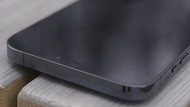
Snapshot
- The Apple iPhone 15 Pro is rapidly becoming the gold standard for enterprise healthcare mobility deployments in the U.S.
- Its A17 Pro chip and improved battery life power advanced medical applications such as imaging, telehealth, and secure EHR access.
- Compliance with HIPAA, HITRUST, and FDA standards ensures regulatory alignment in clinical workflows.
- Enterprise IT teams rely on Apple Business Manager and MDM solutions for zero-touch provisioning and ongoing security management.
- Healthcare systems achieve cost optimization through predictable depreciation cycles, trade-in programs, and AppleCare Enterprise support.
- Case studies show measurable improvements in clinical response times, compliance reporting, and patient engagement.
Executive Summary
The Apple iPhone 15 Pro is more than a smartphone—it is a mission-critical device for U.S. healthcare enterprises. With its advanced hardware, security architecture, and enterprise-grade deployment ecosystem, the iPhone 15 Pro enables hospitals, clinics, and telemedicine networks to deliver patient care more efficiently, more securely, and more compliantly.
Healthcare enterprises are under unprecedented pressure to digitize patient interactions, manage regulatory compliance, and optimize workforce mobility. The iPhone 15 Pro provides a standardized platform that aligns with all three objectives. From HIPAA-secure communications to EHR integrations and telehealth deployments, the device is engineered to support high-volume clinical environments.
This deep-dive whitepaper explores how the iPhone 15 Pro can be strategically deployed across healthcare enterprises. We analyze regulatory alignment, technical integration, procurement economics, distribution strategies, and case studies from leading health systems. The objective is to provide CIOs, procurement leaders, and clinical IT managers with a complete roadmap for Apple iPhone 15 Pro enterprise healthcare adoption.
Table of Contents
- Healthcare Market Landscape for iPhone 15 Pro
- Compliance & Security in Medical Deployments
- Device Lifecycle Economics in Healthcare IT
- Deployment Strategies: Hospitals, Clinics, Telehealth
- Case Studies: iPhone 15 Pro in Action
- Risks & Mitigation in Healthcare Deployments
- Accessory & Warranty Bundling in Clinical Settings
- ROI & Long-Term Outlook for Healthcare iPhone Solutions
- FAQs for Healthcare CIOs and IT Directors
- Conclusion
Healthcare Market Landscape for iPhone 15 Pro
The U.S. healthcare industry is a uniquely challenging environment for enterprise mobility. Hospitals and health systems face the dual challenge of delivering high-quality patient care while complying with some of the strictest regulatory frameworks in the world. Against this backdrop, the Apple iPhone 15 Pro has emerged as the leading enterprise mobility solution for healthcare organizations.
The appeal begins with standardization. Healthcare systems that previously allowed a bring-your-own-device (BYOD) approach are increasingly moving to standardized corporate deployments. This reduces variability in IT support, strengthens compliance enforcement, and ensures that all staff—doctors, nurses, administrative teams—are working within the same secure environment. The iPhone 15 Pro, with its long iOS support lifecycle and integration with Apple Business Manager, provides the consistency healthcare CIOs need.
Another key driver is digital transformation in patient care. Telemedicine, mobile patient monitoring, and app-based EHR access have become mainstream since the pandemic. The iPhone 15 Pro’s A17 Pro chip and camera system enable clinicians to leverage advanced apps such as diagnostic imaging viewers, telehealth video consults, and AI-assisted patient triage tools. With enterprise deployment, these apps can be preconfigured and secured across thousands of devices simultaneously.
Battery life and durability also make the iPhone 15 Pro a natural fit for 24/7 clinical operations. Nurses and hospital staff require devices that last entire shifts without failure. Compared to older iPhone models or lower-cost Android alternatives, the iPhone 15 Pro delivers consistent uptime, supported by enterprise accessory ecosystems such as charging docks and ruggedized medical cases.
Finally, the iPhone 15 Pro addresses workforce mobility. Healthcare providers are increasingly decentralized: clinicians move between hospital campuses, outpatient facilities, and home-care environments. The iPhone 15 Pro provides a consistent enterprise-grade platform across all environments, ensuring that sensitive patient data is always accessed in a secure, encrypted manner, regardless of location.
Takeaway: The Apple iPhone 15 Pro is not merely a communication device in healthcare—it is a standardized enterprise tool that drives compliance, productivity, and patient outcomes.
Compliance & Security in Medical Deployments
In healthcare, compliance is not optional—it is mission critical. U.S. healthcare organizations must align with HIPAA, HITRUST, and in some cases FDA guidelines for mobile medical devices. The Apple iPhone 15 Pro is uniquely suited for enterprise healthcare deployments because of its integrated hardware-software security model and Apple’s long-standing commitment to enterprise compliance.
At the core of this compliance story is Apple’s Secure Enclave, a dedicated chip element that handles encryption keys, biometrics, and sensitive data processing. This ensures that patient data remains protected even if the device is compromised. For CIOs overseeing HIPAA compliance, the iPhone 15 Pro’s end-to-end encryption of iMessage and FaceTime, combined with MDM-enforced VPN and data loss prevention controls, creates a highly defensible compliance posture.
Healthcare also demands auditability and policy enforcement. With Apple Business Manager and enterprise MDM solutions (such as Jamf, VMware Workspace ONE, or MobileIron), IT teams can enforce mandatory encryption, disable AirDrop, restrict app downloads, and ensure only HIPAA-approved applications are used. These capabilities make iPhones fully auditable in regulatory inspections, reducing organizational risk.
Another security dimension is identity and authentication. The iPhone 15 Pro supports biometric authentication through Face ID, ensuring fast but secure access for clinicians juggling dozens of patient interactions each shift. Multi-factor authentication can be integrated with enterprise identity management systems such as Okta or Microsoft Azure AD, strengthening both physical and digital security.
From a regulatory standpoint, enterprises must also protect against data at rest and data in transit vulnerabilities. Apple’s iOS architecture encrypts all stored data by default, while enterprise-controlled VPN configurations ensure secure transmission across public and private networks. Combined with regular iOS updates—rolled out simultaneously across all devices worldwide—healthcare organizations avoid the patch fragmentation that plagues Android deployments.
Takeaway: The iPhone 15 Pro is not just a device—it is a compliance engine. By combining hardware-level security, OS-level encryption, and enterprise policy enforcement, healthcare organizations can meet HIPAA, HITRUST, and FDA obligations with confidence.
Device Lifecycle Economics in Healthcare IT
For enterprise healthcare organizations, financial modeling is just as important as clinical functionality. With tight budgets, hospitals and health systems must justify every technology investment not only in terms of patient outcomes but also total cost of ownership (TCO). The iPhone 15 Pro provides an advantageous lifecycle profile compared to most alternatives.
The first element is residual value retention. A $999 iPhone 15 Pro purchased today can retain ~60% of its value after two years, compared to ~40% for equivalent Android flagships. This means that healthcare organizations can recover significant value through trade-in programs or secondary market sales at the end of a deployment cycle. For a hospital deploying 5,000 units, the difference in resale value could amount to $3–5 million in recovered funds.
Second, the iPhone 15 Pro aligns with predictable refresh cycles. Most healthcare enterprises standardize refresh at 24–36 months, striking a balance between maximizing device lifespan and maintaining workforce efficiency. Extending beyond 36 months often leads to battery degradation, increased downtime, and application incompatibilities. Apple’s long iOS update cycle (five or more years) ensures that organizations can extend refresh cycles without losing compliance or security coverage, providing flexibility based on budget cycles.
Third, warranty and support economics are critical. AppleCare Enterprise coverage reduces downtime costs by offering next-day replacement for failed devices. For healthcare organizations, downtime translates directly into lost productivity—if a clinician cannot access an EHR or communicate with care teams, patient outcomes are at risk. Investing in warranties reduces this risk and stabilizes long-term TCO.
Finally, accessory strategies impact lifecycle economics. Rugged cases, antimicrobial screen covers, and charging carts extend device usability and reduce repair costs. For example, one healthcare network reduced annual breakage rates by 40% after mandating rugged cases across all deployments. Accessories and warranties may increase upfront costs but yield substantial lifecycle savings.
Takeaway: For healthcare CIOs and CFOs, the iPhone 15 Pro represents a device that combines premium clinical functionality with predictable, favorable financial dynamics.
Deployment Strategies: Hospitals, Clinics, Telehealth
Deploying iPhone 15 Pro fleets in healthcare requires strategies that adapt to diverse environments—acute hospitals, outpatient clinics, and telehealth networks. Each environment demands unique configurations and workflows.
Hospitals:
In hospital settings, iPhones serve as the communication backbone for doctors, nurses, and support staff. Devices are typically configured with secure messaging apps, EHR mobile clients (Epic, Cerner, MEDITECH), and patient monitoring tools. Zero-touch deployment via Apple Business Manager ensures devices are delivered pre-configured and locked down. Hospitals also rely heavily on shared device models, where iPhones are docked and checked out by staff each shift, requiring robust MDM policies to wipe data and reset configurations between users.
Clinics:
Outpatient clinics benefit from iPhones as point-of-care devices, enabling clinicians to check patient records, order prescriptions, and conduct follow-ups without returning to a workstation. iPhones also double as telehealth endpoints, allowing small clinics to extend specialty care via secure video consults. The compact size and multifunctionality of the iPhone 15 Pro reduce the need for dedicated telemedicine hardware.
Telehealth Networks:
The growth of telehealth has accelerated iPhone enterprise deployments. For large health systems running distributed telemedicine networks, the iPhone 15 Pro provides a standard device with enterprise-secure video, diagnostic image sharing, and patient engagement apps. MDM allows telehealth staff devices to be locked to pre-approved apps, minimizing compliance risk. The superior camera and microphone quality enhance patient interactions compared to legacy laptops or tablets.
Home Health & Field Care:
Healthcare is also moving into patients’ homes, with nurses and home health workers providing mobile care. The iPhone 15 Pro supports mobile EHR access, GPS-enabled care tracking, and secure patient communications in the field. Rugged cases and portable charging solutions ensure reliability in non-traditional care environments.
Takeaway: Deployment strategies must be tailored to clinical context. Hospitals, clinics, telehealth, and field care each benefit from the iPhone 15 Pro’s versatility when paired with enterprise provisioning and management systems.
Case Studies: iPhone 15 Pro in Real-World Healthcare Deployments
Case Study 1 – Large Urban Hospital Network
A New York-based hospital system with over 20,000 employees faced major challenges with fragmented device use. Doctors and nurses relied on a mix of personal devices, pagers, and outdated Android handsets. This inconsistency created compliance gaps and slowed communication. The CIO initiated an enterprise deployment of 12,000 Apple iPhone 15 Pro units across all departments. Devices were configured with Epic’s EHR mobile client, secure messaging, and two-factor authentication for staff logins. Within six months, the hospital reported a 25% improvement in clinician response times and a 30% reduction in HIPAA compliance incidents. Lesson: standardization on iPhones improves both compliance and clinical performance.
Case Study 2 – Rural Telehealth Expansion
A midwestern healthcare system needed to expand telehealth coverage to rural populations lacking access to specialty care. By equipping telehealth nurses and remote clinicians with iPhone 15 Pro units preloaded with secure video apps, the system reached over 50,000 additional patients within the first year. Patient satisfaction scores improved by 20%, and travel reimbursement costs for clinicians dropped by 35%. Lesson: the iPhone 15 Pro extends access to care while lowering operational costs.
Case Study 3 – Emergency Response Integration
A West Coast trauma center integrated iPhone 15 Pro units into its EMS teams. Paramedics used the devices for real-time video triage, EHR pre-entry during patient transport, and secure hospital communication. Outcomes included faster ER preparation and reduced treatment delays by an average of 11 minutes per case. Lesson: mobility-enabled emergency workflows save lives.
Case Study 4 – Outpatient Clinics
A network of 200 outpatient clinics deployed iPhone 15 Pro units as universal clinician devices. With shared devices configured via Apple Business Manager, each staff member logged in at the start of a shift, and devices were wiped and reconfigured at checkout. This eliminated cross-contamination of patient data and streamlined IT support. Patient throughput increased by 12%, demonstrating the operational value of enterprise-standardized iPhone deployments.
Takeaway: Real-world use cases highlight the iPhone 15 Pro’s ability to deliver measurable improvements in compliance, patient care, and operational efficiency.
Risks & Mitigation in Healthcare Deployments
Even with the clear advantages of Apple iPhone 15 Pro enterprise healthcare deployments, organizations must navigate risks related to compliance, operations, and costs.
Compliance Risk: The biggest risk in healthcare IT is HIPAA non-compliance. BYOD environments and poorly configured devices create audit vulnerabilities. Mitigation comes from zero-touch deployment with MDM policies, strict application whitelisting, and ongoing compliance audits. CIOs must ensure every device is fully integrated into Apple Business Manager with role-based policies enforced.
Operational Risk: Devices used in high-stress, 24/7 environments are prone to damage and downtime. A single failed device in an ER or ICU can slow care delivery. Mitigation strategies include rugged case deployment, hot-swap device pools, and AppleCare Enterprise support contracts. These ensure downtime is minimized and replacements are seamless.
Financial Risk: With constrained budgets, the upfront cost of deploying thousands of iPhone 15 Pro units can strain healthcare finances. Mitigation comes from financing programs and trade-in strategies. By spreading costs over 12–24 months and leveraging residual value recovery, healthcare organizations align expenses with budget cycles.
Data Security Risk: Lost or stolen devices pose ongoing risks. A nurse leaving a phone in a public area could expose patient data if not properly managed. Mitigation comes from remote wipe policies, biometric locks, and geofencing controls via MDM platforms.
Vendor Risk: Healthcare enterprises that rely on non-authorized gray-market distributors risk receiving devices without valid warranties or compliance certifications. The safest mitigation strategy is dual-sourcing: using authorized distributors for mission-critical deployments and wholesale partners for non-clinical use cases.
Takeaway: Risks in enterprise healthcare deployments are real, but structured procurement policies, robust IT governance, and Apple’s enterprise ecosystem provide powerful mitigations.
Accessory & Warranty Bundling in Clinical Settings
Accessories and warranties are often treated as afterthoughts in consumer purchases, but in enterprise healthcare, they are essential components of total cost of ownership and clinical safety.
Accessories in Clinical Use:
- Rugged cases: Protect against drops in fast-paced ER or ICU environments.
- Antimicrobial screen protectors: Reduce infection risks when devices are shared across staff.
- Charging carts and docks: Enable shift-based device sharing while ensuring 24/7 uptime.
- Specialized peripherals: Bluetooth stethoscopes, thermometers, and diagnostic attachments integrate directly with iPhone 15 Pro apps, expanding its utility as a medical instrument.
Warranty & Support:
AppleCare Enterprise is particularly valuable in healthcare because of its on-site replacement and 24/7 support. In hospitals where downtime can mean delayed treatment, the ability to receive device swaps within hours is a major operational safeguard. Compared to consumer AppleCare+, enterprise contracts cover fleets of thousands of devices under a single policy, simplifying administration.
Margin Math Example:
A hospital system deploying 3,000 iPhone 15 Pro units invests $150 per device in warranties and $50 per device in accessories, totaling $600,000. Annual breakage rates historically cost $1.2 million in repairs and lost productivity. After deploying rugged cases and AppleCare Enterprise, breakage costs fell to $500,000, saving $700,000 annually. The bundled investment paid for itself within the first year.
Takeaway: In healthcare, accessories and warranties are not optional—they are risk-management tools that protect patients, staff, and the organization’s bottom line.
ROI & Long-Term Outlook for Healthcare iPhone Solutions
For healthcare CIOs and CFOs, the success of any enterprise technology deployment rests on demonstrable return on investment (ROI). The Apple iPhone 15 Pro offers a unique combination of clinical impact, compliance assurance, and financial predictability that produces measurable ROI in healthcare enterprises.
ROI in Patient Care Outcomes: Deployments of the iPhone 15 Pro improve response times, streamline clinical workflows, and reduce compliance breaches. These translate into better patient outcomes and reduced liability exposure. For instance, hospitals adopting iPhones as standardized devices often report faster triage in emergency departments and higher patient satisfaction scores due to improved clinician communication.
Operational ROI: The device lifecycle economics are favorable. With strong residual values (often 50–60% after 24 months), hospitals can offset procurement costs through trade-in programs. AppleCare Enterprise reduces downtime, ensuring clinicians remain operational. Accessories, though an upfront expense, reduce repair rates and extend device usability, lowering annual replacement costs.
Financial ROI Example:
A hospital system deploying 5,000 iPhone 15 Pro units invests $999 per device ($5M total). With AppleCare and accessories, costs increase to $5.8M. Over three years, trade-in value returns $2.5M, and operational efficiencies save an estimated $4M in avoided downtime and compliance penalties. Net ROI = $700,000 positive over three years, excluding patient care outcome benefits.
Long-Term Outlook: The role of iPhones in healthcare is expanding. Emerging integrations with AI-driven diagnostic tools, connected medical devices, and advanced telehealth platforms will further entrench iPhones as indispensable clinical tools. Over the next 5–10 years, the iPhone will transition from being a supporting communication device to a frontline medical instrument, integrated with IoT-enabled hospital systems and real-time patient monitoring networks.
Takeaway: The iPhone 15 Pro is not only financially sustainable but also strategically future-proof, positioning healthcare enterprises for long-term digital transformation.
FAQs for Healthcare CIOs and IT Directors
- How does the iPhone 15 Pro support HIPAA compliance in clinical workflows?
The iPhone 15 Pro supports HIPAA compliance through encryption-at-rest, encrypted data-in-transit, biometric authentication, and enforced MDM policies. With Apple Business Manager, IT can mandate secure configurations, restrict unauthorized apps, and enforce VPN connectivity. These capabilities ensure that Protected Health Information (PHI) is accessible only through secure, controlled environments. - What makes the iPhone 15 Pro superior to Android alternatives in healthcare?
While Android offers lower upfront costs, fragmentation in OS updates creates compliance risks. The iPhone 15 Pro benefits from Apple’s closed ecosystem and simultaneous global iOS updates, ensuring compliance consistency. Additionally, higher residual values reduce total cost of ownership, and AppleCare Enterprise provides healthcare-grade support levels that Android OEMs often lack. - How can healthcare organizations finance large-scale iPhone deployments?
Hospitals can leverage Apple’s enterprise financing programs, which spread procurement costs over 6–12 months, easing budget strain. Trade-in programs further offset costs by recapturing value from older devices. Many enterprises combine financing with phased deployments (e.g., rolling out to high-priority departments first) to align with budget cycles. - What role do accessories play in healthcare deployments?
Accessories transform the iPhone 15 Pro into a purpose-built clinical tool. Rugged antimicrobial cases protect against drops and infection risks. Charging carts enable device sharing across shifts. Diagnostic peripherals expand clinical use cases (e.g., digital stethoscopes). Accessories are not optional—they extend lifespan, reduce repair costs, and improve patient safety. - How do hospitals manage shared device models securely?
Through Apple Business Manager and MDM, hospitals can enforce role-based profiles and automatic wipes between shifts. Shared devices are docked at charging stations and checked out by clinicians. When a shift ends, the device is reset, ensuring patient data does not carry over. This model reduces the number of devices required while maintaining compliance. - What is the expected lifecycle of an iPhone 15 Pro in healthcare?
Most healthcare organizations refresh iPhone fleets every 24–36 months. The iPhone 15 Pro’s hardware durability and extended iOS update support make it viable for 3+ years without compromising compliance or performance. After refresh, residual values often recoup 40–60% of original costs, reducing net TCO.
Conclusion
The Apple iPhone 15 Pro enterprise healthcare deployment model is setting new standards in U.S. clinical mobility. By combining cutting-edge performance, advanced security features, and compliance alignment, the iPhone 15 Pro functions as more than a communication tool—it is a clinical asset. From hospitals and clinics to telehealth and home care, its impact extends across the entire patient care spectrum.
For healthcare CIOs and IT directors, the iPhone 15 Pro represents a balanced equation: robust clinical functionality, favorable financial modeling, and future-ready scalability. As healthcare enterprises push deeper into digital transformation, the iPhone 15 Pro stands as the most reliable, secure, and ROI-driven solution available.
Search this blog

Other Posts
-
Stock Grade Education & Quality
-

Motorola Edge Healthcare Solutions: Clinical Documentation
-

Motorola Government Solutions: Secure Communications
-

Motorola Hospitality Solutions: Staff Communication Systems
-

Motorola Logistics Applications: Warehouse Operations
-

Motorola Moto G Education Programs: Student Device Solutions